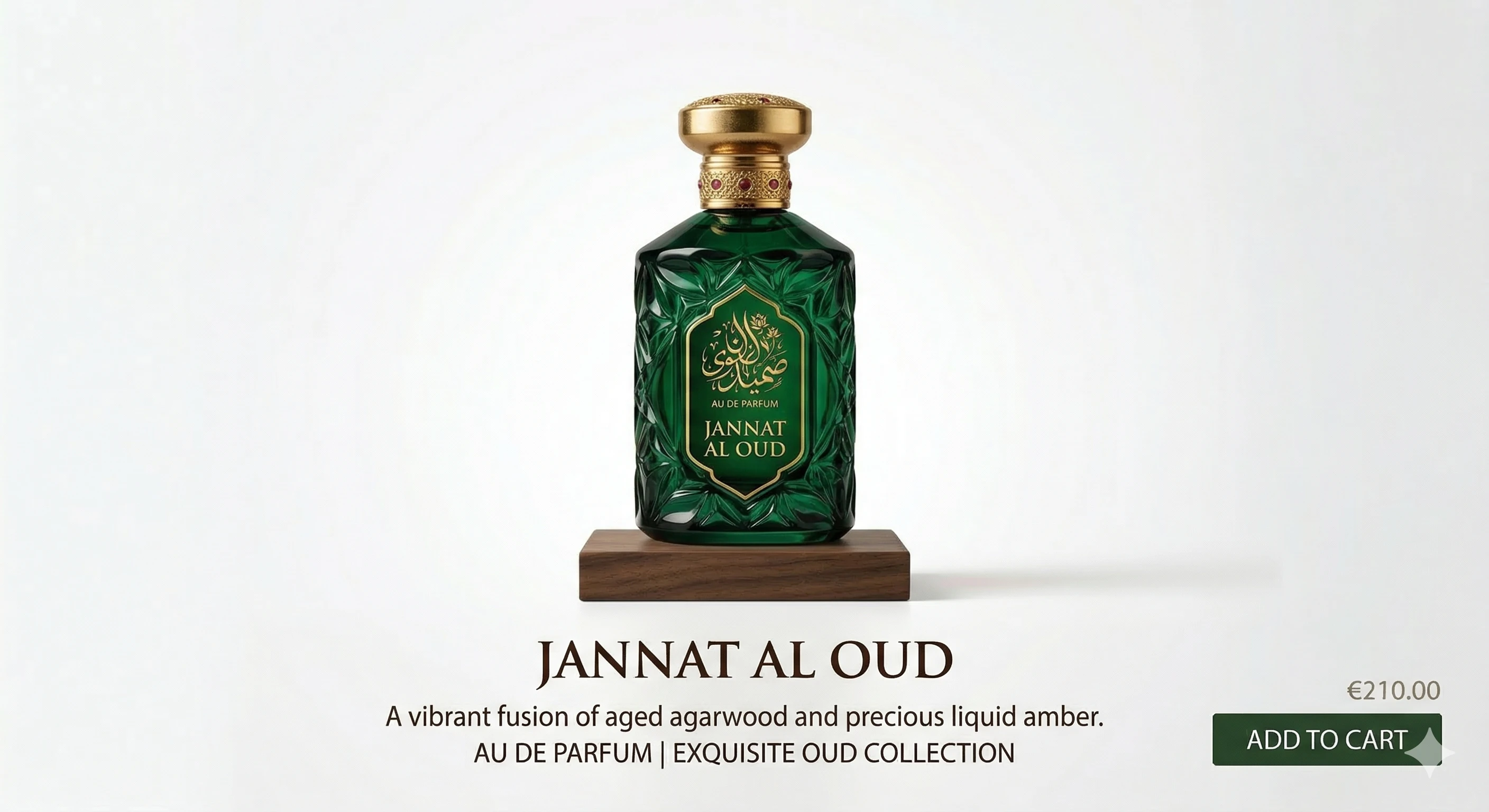
Over the past two decades, oud has undergone a remarkable journey from a niche Middle
Eastern specialty to one of the most popular notes in global perfumery. Luxury houses
including Tom Ford, Maison Francis Kurkdjian, Dior, and Montale have all built major
fragrance lines around oud.
However, it is important to understand that the ‘oud’ in most designer perfumes is not actual
agarwood oil. The vast majority of mainstream oud fragrances use synthetic oud accords —
laboratory-created molecules that approximate certain aspects of the oud scent profile
without containing any natural agarwood.
This is not inherently negative. Synthetic oud molecules such as Cashmeran and Iso E
Super can create beautiful fragrances, and they make the oud aesthetic accessible at price
points that natural oud oil simply cannot support. However, experiencing a designer oud
fragrance and experiencing genuine artisanal oud oil are fundamentally different
experiences.
The artisanal oud world exists in parallel to the designer fragrance market. Artisanal distillers
focus on small-batch, single-origin oils that express the unique character of specific wood
sources. These oils are meant to be worn alone or layered with other natural materials, and
they offer a depth and individuality that mass-market fragrances cannot replicate.
Both worlds have their place. But if you are here on OUDESSENCE, you are likely looking
for something beyond the mainstream — something authentic, rare, and deeply personal.
That is exactly what this platform is built to provide.
Discussion: 💬 What was your gateway into oud — designer fragrances or artisanal oils?
Please Login To join the discussion



 english