While the Middle East does not produce agarwood trees (Aquilaria species are native to
South and Southeast Asia), it is arguably the world’s most important oud market and the
cultural heartland of oud appreciation.
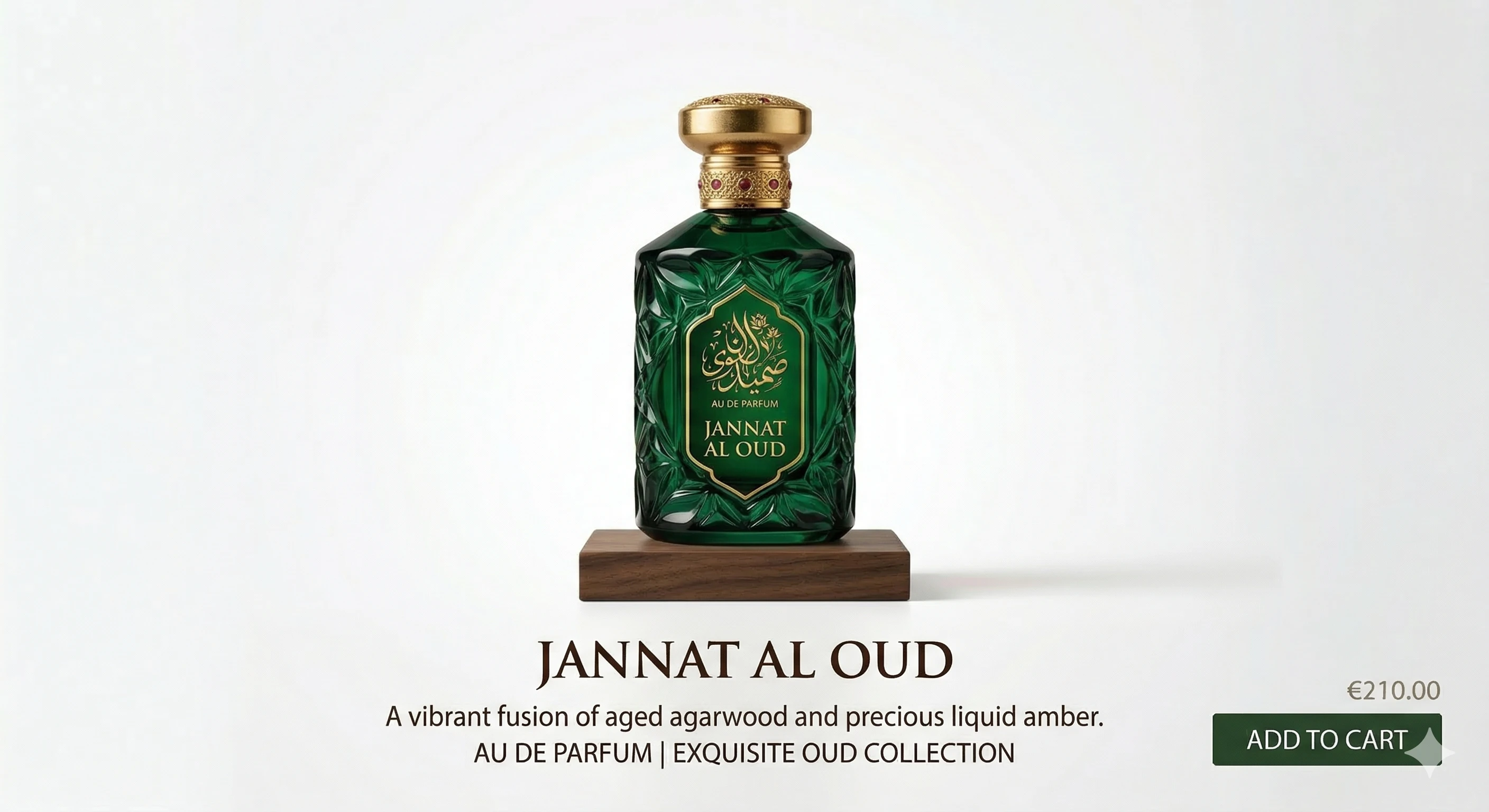
In the Gulf states — Saudi Arabia, the UAE, Qatar, Kuwait, Bahrain, and Oman — oud is
deeply woven into daily life. It is burned as bakhoor to scent homes and clothing, applied as
oil for personal fragrance, and given as a prestigious gift. The consumption of oud in Saudi
Arabia alone is estimated at hundreds of millions of dollars annually.
Arabian oud culture has developed its own distinct preferences. Gulf consumers historically
favour Indian and Cambodian oud for its depth and intensity. The practice of layering oud
with other fragrances — combining oud oil with musk, rose, amber, and sandalwood — has
created a rich perfumery tradition that influences global niche fragrance today.
Major oud trading houses in the region, such as those based in Jeddah, Dubai, and Doha,
serve as gatekeepers between Asian producers and Middle Eastern consumers. These
traders have developed deep expertise in grading and evaluating raw agarwood, and their
standards significantly influence global oud pricing.
Understanding Middle Eastern oud culture is essential for anyone involved in the oud trade.
The preferences, quality standards, and traditions of this market shape the entire global
industry.
Discussion: 💬 How does oud feature in your daily life or cultural traditions?
Please Login To join the discussion



 english